Practical, sourced parenting guides
The practical bits,
worked out properly.
Practical help for preparing for baby, feeding, nursery planning, everyday care, and family life.

A little preparation, at your pace.
Start with the conversations and practical choices that matter to your household.

Share the responsibilities
A conversation worksheet for the two of you.
Explore the guide
Think through childcare
Questions to take on a visit, when you are ready.
Explore the guide
Make a name shortlist
A simple way to narrow your favorites.
Explore the guideMake the plan your own with a hands-on tool.Start your essentials list
Make space for the first decisions.
You do not need to figure everything out today. Pick one useful starting point.
Have the helpful conversations
Agree on tasks, support, and how to share the load.
Explore the guideExplore names together
Build a shortlist without the endless scrolling.
Explore the guideUnderstand your childcare options
A worksheet for comparing everyday arrangements.
Explore the guideMake the plan your own with a hands-on tool.Start your essentials list
Turn ideas into a workable plan.
Explore your space, your supplies, and the instructions behind the equipment.

Understand crib setup
Labels, assembly, and the room around it.
Explore the guide
Get to know bottle parts
Matching parts, cleaning, and everyday choices.
Explore the guidePlan a childcare visit
Bring questions that reveal how a normal day works.
Explore the guideMake the plan your own with a hands-on tool.Try the nursery planner
A few practical things, ready to go.
Make the next handoff easier: your bag, your room, and your shared responsibilities.

Pack for the handoffs
A hospital bag your support person can navigate.
Explore the guideShare the everyday jobs
Decide who notices, who does, and who backs up.
Explore the guide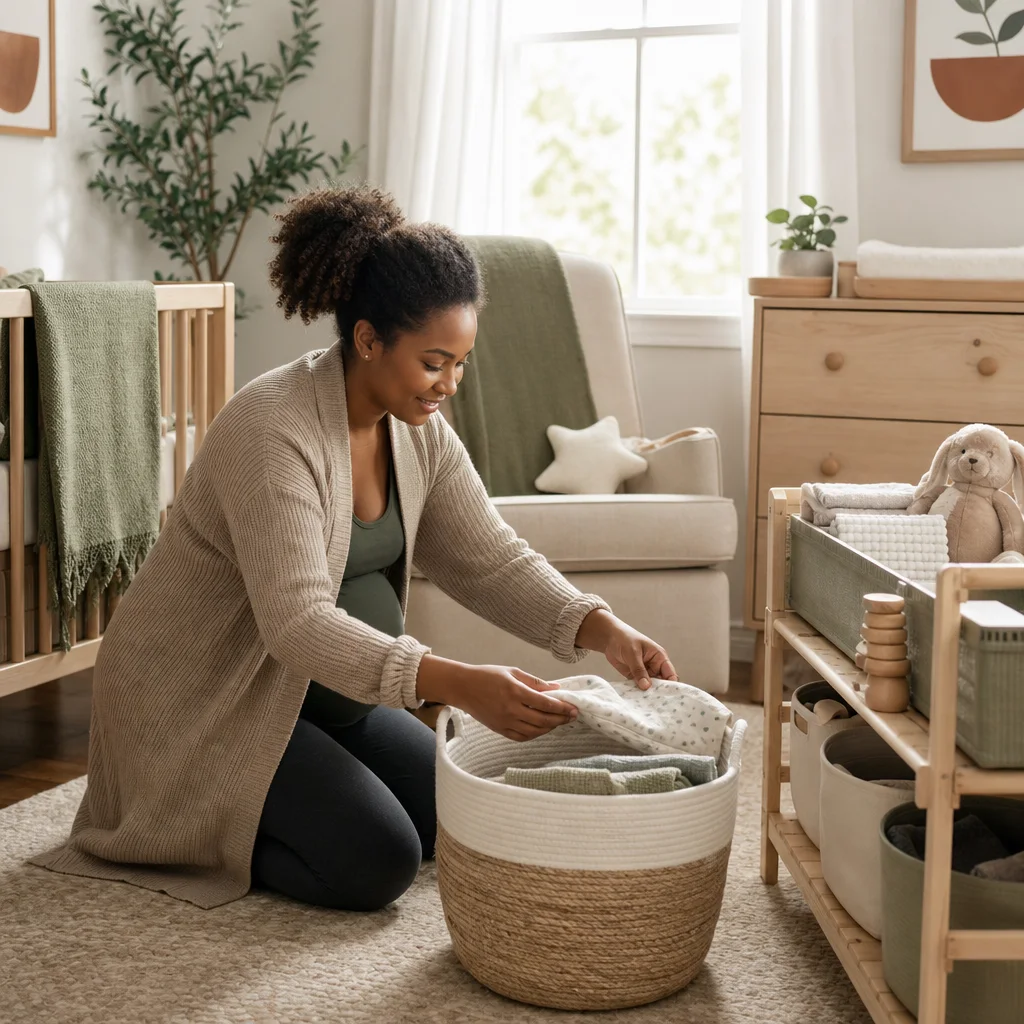
Give your nursery a plan
Arrange the room around your real measurements.
Explore the guideMake the plan your own with a hands-on tool.Open the packing checklist
Small routines. A little more breathing room.
Practical references for feeding, changing, and finding your people.

Keep milk handoffs clear
Separate storage stages, labels, and caregiver notes.
Explore the guide
Organize your changing space
Compatibility, supplies, and cleanup in one place.
Explore the guide
Find your parent connections
Build a support network one connection at a time.
Explore the guideMake the plan your own with a hands-on tool.Open the bottle-parts checklist
Make room for growing independence.
Work on the space and routines around your child, one small task at a time.
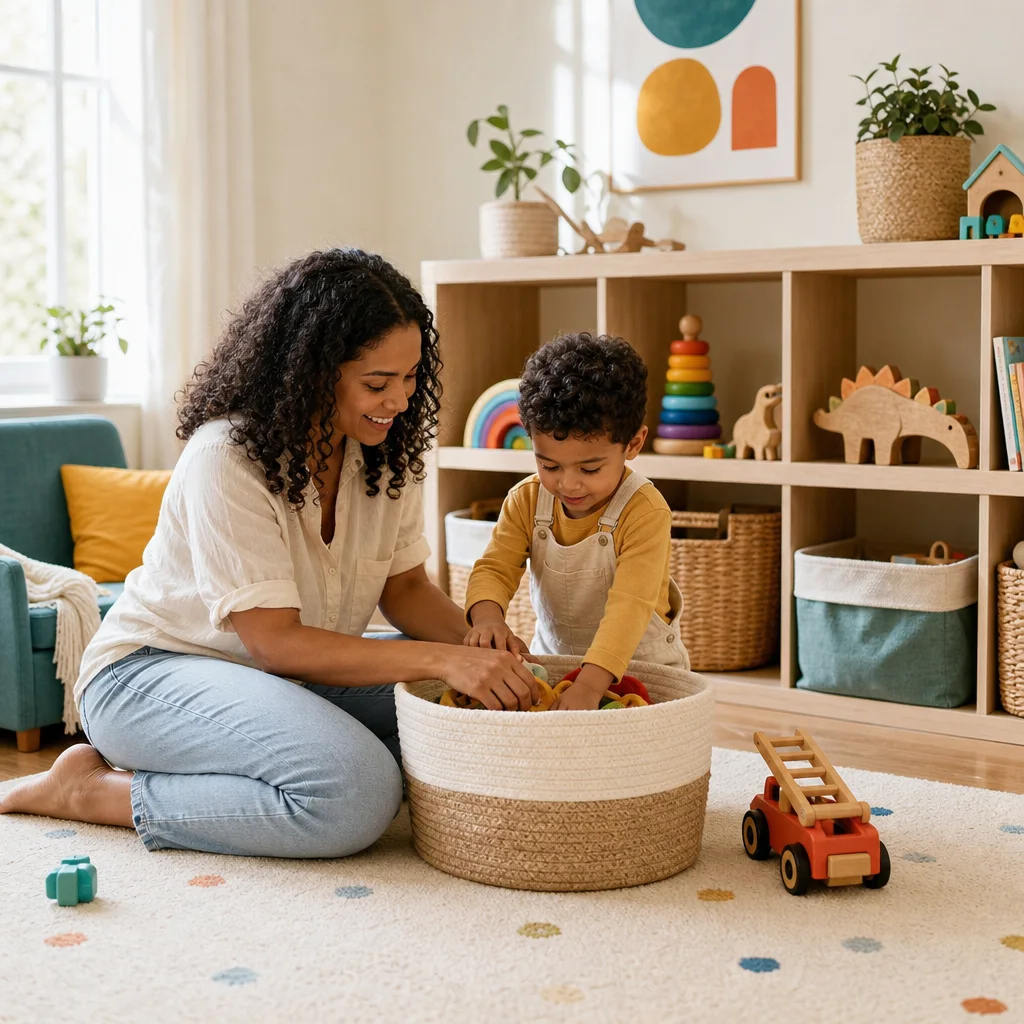
Make toy cleanup simpler
Storage children and caregivers can actually use.
Explore the guide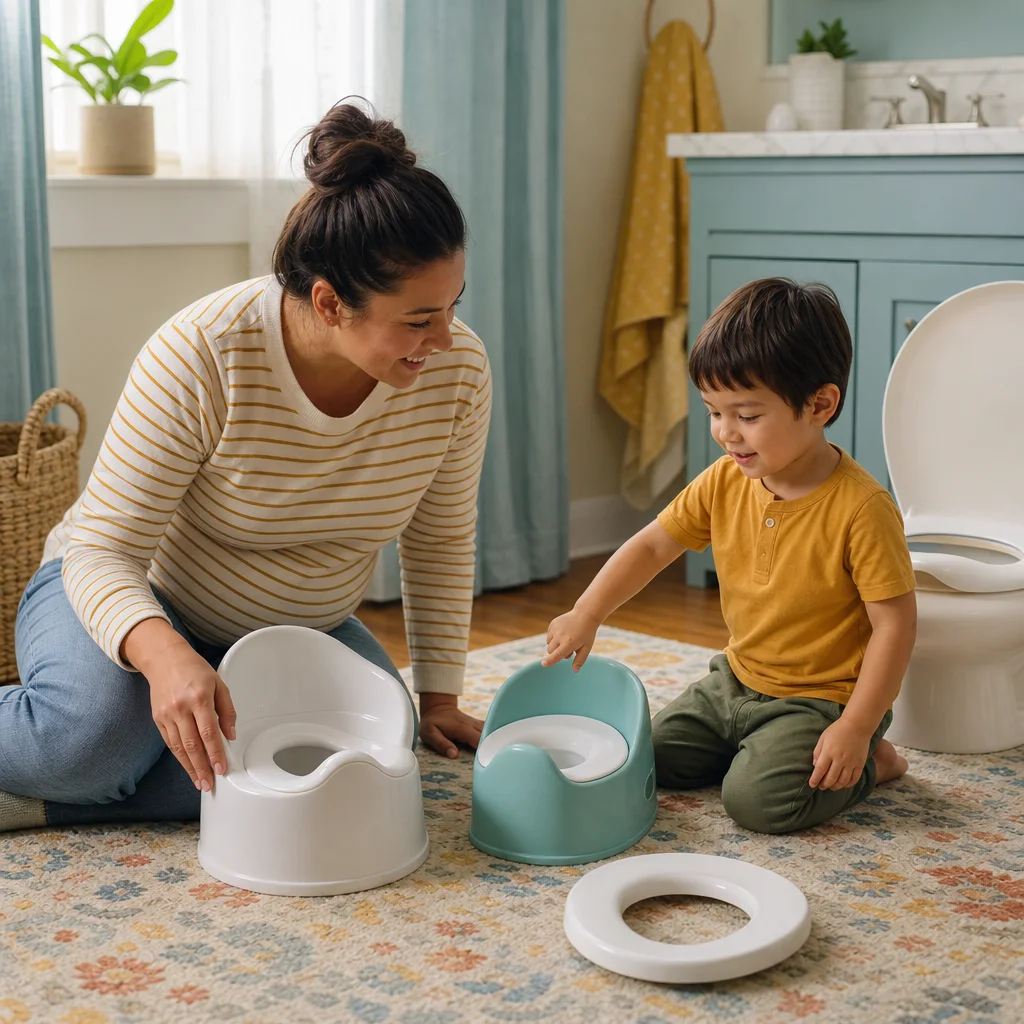
Plan a bathroom routine
Compare everyday access, fit, and cleanup.
Explore the guide
Plan around your stairs
A gate-and-access worksheet for your actual home.
Explore the guideMake the plan your own with a hands-on tool.Build a morning routine
What would make
today easier?
No perfect plan required. Pick a task and give yourself a manageable starting point.
01 — Preparing for baby
Preparing for baby
Work through names, childcare, shared responsibilities, packing, and the essentials before baby arrives.
Explore this topic →
A baby registry built around your real life
Start with the jobs you need to do: get home, feed your baby, change diapers, wash clothes, and arrange a sleep space. Then decide what you already have, what you can borrow, and what can wait.
Practical guideYour hospital bag: pack for the handoffs, not the photos
A useful hospital bag is one your support person can navigate without asking you where everything is. Start with a compact list, check what your hospital supplies, and keep last-minute items on a separate reminder.
Practical guideChoosing childcare: a visit worksheet and decision process
A useful childcare comparison separates three things: whether a program meets relevant requirements, what a normal day feels like, and whether the arrangement actually works for your household.
Practical guideBefore baby arrives: a conversation worksheet for shared responsibilities
“We will help each other” is a good intention, but it leaves a lot unspecified. Use a short conversation to decide who notices a task, who handles it, and what happens when the plan stops working.
Practical guide02 — Feeding
Feeding
Understand bottle parts, organize a feeding space, and keep milk-storage stages clear during caregiver handoffs.
Explore this topic →How to store breast milk: stages, labels, and caregiver handoffs
The useful question is not simply “How old is this milk?” It is “What happened to it, and when?” Keep expression, thawing, warming, and feeding events distinct so another caregiver does not mistake one deadline for another.
Practical guideBaby bottles: parts, cleaning, and everyday choices
A bottle is a small system of matching parts. Understanding how those parts fit together is more useful than buying a large collection before you know which arrangement works for your family.
Practical guide
High chairs: what to check before choosing a setup
Start with the place where you will feed your child, the product's instructions, and the cleaning you can realistically do. A high chair is not made more suitable by having more accessories.
Practical guide03 — Sleep & nursery
Sleep & nursery
Plan the room, understand sleep-product compatibility, and check the practical limits of monitors and humidifiers.
Explore this topic →Plan a nursery around the room you actually have
You do not need a showroom. You need a workable arrangement for everyday tasks, somewhere to put supplies, and enough information to check the equipment you plan to use.
Practical guideChoosing a crib: labels, assembly, and the room around it
The useful questions are concrete: what is the exact model, are its instructions and required parts available, is it recalled, and does the proposed mattress belong with it?
Practical guide
Crib mattresses: how to check fit and product information
Start with the sleep product's instructions, not a list of mattress features. You need to establish which mattress is intended for that product and how it must be used.
Practical guide
Bassinets: plan the setup and the next transition
A bassinet decision has two parts: whether the exact product is suitable now, and how you will recognize when it is no longer appropriate. There is no single age that answers those questions for every product and baby.
Practical guide04 — Everyday care & safety
Everyday care & safety
Practical preparation for changing, toothbrushing, bathroom routines, temperature readings, and stair access.
Explore this topic →Baby-proofing stairs: a gate and access planning guide
A stairway has more than an opening to block. The landing, fastening surfaces, nearby furniture, and daily habits all affect how a gate will be used. Make a plan for the actual stairs before choosing equipment.
Practical guideChanging pads: compatibility, supplies, and cleanup
A useful changing arrangement keeps the necessary supplies accessible and matches the product's instructions. A contoured shape or an added strap does not make it safe to leave a baby unattended.
Practical guide
Diaper pails: plan disposal, cleaning, and refill costs
The purchase price is only one part of a diaper-disposal system. Look at the liners it requires, how it is emptied, and the cleaning routine you will actually follow.
Practical guide
Baby toothbrushes: features and the routine around them
The useful brush is one you can use appropriately and consistently with your child. A character handle, light, or app does not replace caregiver help or dental advice.
Practical guide05 — Family life & play
Family life & play
Make everyday routines easier, find parent connections, and organize practical spaces for play.
Explore this topic →
A morning routine that starts with the evening before
Build around the time you must leave, the tasks only an adult can do, and the items that repeatedly go missing. A useful routine makes a difficult morning more manageable; it does not require a perfect start.
Practical guideFinding parent friends: build a support network one connection at a time
A support network does not have to begin with a large group or an instant best friend. Start by making one manageable connection and giving it a realistic chance to become familiar.
Practical guideToy storage that children and caregivers can actually use
The useful test is not how a shelf looks after an adult organizes it. It is whether the people using the room can find an activity, put it away, and notice when a piece needs attention.
Practical guide
Play mats and activity gyms: plan the space and the cleanup
A play space does not need to contain every feature in a catalog. Decide where supervised play will happen, what fits there, and how you will keep the area usable between sessions.
Practical guideNo fluff. No judgment.